
Chapter 13: Homeostasis and Urinary System of Humans
What you need to learn in this chapter
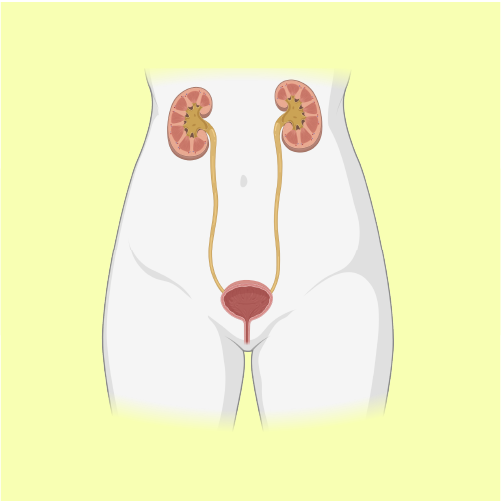
In this chapter, we will learn about homeostasis and the urinary system of humans. Homeostasis refers to the body's ability to maintain stable physical and chemical factors in the internal environment. We will discuss why it is important for our body to maintain these factors. Next, we will focus on the urinary system. We will learn about the structure and functions of the kidney, which is an important organ in the urinary system. We will also study the structure of a nephron and collecting duct, and understand their roles in the filtration and reabsorption of waste products. Lastly, we will explore health issues related to the urinary system. We will discuss common problems such as urinary tract infections, kidney stones, and kidney failure. By the end of this chapter, we will have a better understanding of how our body maintains homeostasis and the importance of a healthy urinary system.
Topics in this chapter
1. Homeostasis
What you will learn in this topic
- Explain the meaning of homeostasis
- Justify the neccesity to maintain physical and chemical factors in the internal environment
- Describe the involvement of various organ systems in maintaining an optimal internal environment
- Apply the knowledge of homeostasis concept in regulation of: (i) body temperature. (ii) blood sugar level. (iii) partial pressure of carbon dioxide. (iv) blood pressure
2. Urinary System
What you will learn in this topic
- Identify the structure and functions of a kidney
- Draw, label and explain the structure of a nephrone and collecting duct
- Describe the formation of urine: (i) ultrafiltration. (ii) reabsorption. (iii) secretion
- Synthesize the concept of homeostasis by using negative feedback mechanism in osmoregulation
- Conduct an experiment to study the effects of different volumes of of water intake on urine formation
3. Health Issues Related to the Urinary System
What you will learn in this topic
- Describe health issues that are related to the urinary system
Live Tuition Recordings